Mattresses – the Heart of a Bed
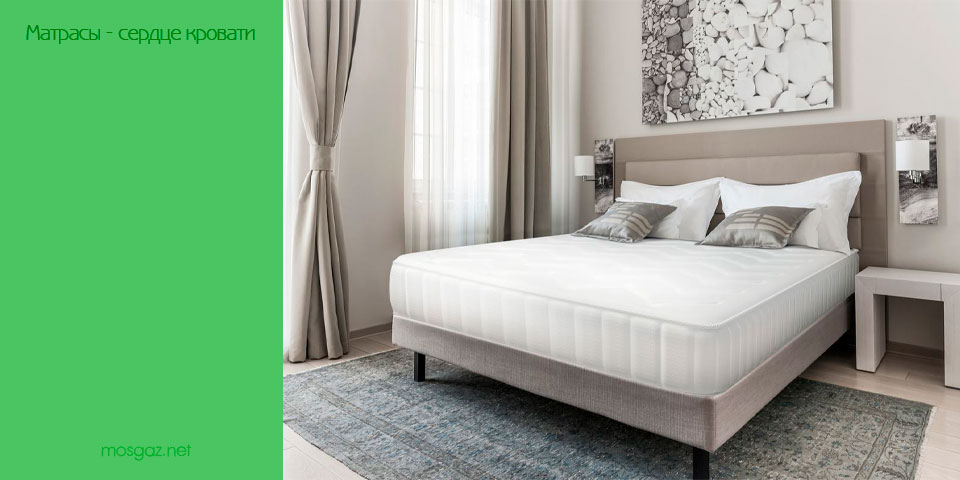
A mattress is the most important part of your bed. It ensures healthy, restful sleep and supports your body in any position. The choice of different types, sizes, and firmness levels has increased significantly over the past few decades, making it difficult for consumers to keep track of what’s going on.
On this page, we provide helpful tips to help you choose the right mattress. Among other things, we discuss the right size and firmness level, the different subtypes, and how a mattress’s properties fit your personal sleep habits.
What are mattresses for?
Mattresses support the body during sleep and adapt to individual body parts. Mattresses, whose name comes from the Arabic word “matra,” meaning floor cushion, originated in ancient times. However, for a long time, they were the preserve of the upper classes. The widespread use of mattresses continued until the late 19th century. Today, we take them for granted and have a choice of various shapes and types. A mattress is part of a so-called bed system, which also consists of a frame, slatted frame, duvet, and pillow. While all the elements should fit together, it’s even more important that they meet your personal preferences and needs. Choosing the right mattress type is key.
What types of mattresses are there?
The main difference between mattresses is the way they are made. Each type has its own unique properties, which stem from the material and construction used. Therefore, when choosing a mattress, the price will vary depending on the user’s preferences.
Innerspring mattresses are a classic among mattresses. Inside, steel springs are arranged next to each other, surrounded by foam. Newer pocket spring mattresses, and pocket core mattresses in particular, are characterized by good point elasticity Cold foam mattresses are made of polyurethane and have excellent insulating properties. They are very dimensionally stable, hypoallergenic, and ideal for slatted frames that can be opened gel foam mattresses are still relatively new to the market, and their properties are comparable to waterbeds. They are especially appealing to people struggling with back and neck pain.
Comfort foam mattresses are also made from polyurethane, but differ in their open-cell structure. This makes them a recommended option for those who want to enjoy the benefits of a cold foam mattress but still rely on good air circulation.


In addition to these most common options, there are also latex mattresses, waterbed mattresses, visco mattresses, or air mattresses that are popular among vacationers. A detailed description of all characteristics can be found on the corresponding pages dedicated to the types of mattresses.
Division into zones
Modern mattresses are divided into from three to nine zones. The reason for this lies in the different requirements for individual parts of the body. The mattress should be able to sink significantly in the shoulder or pelvic area and at the same time reliably support the torso area. There are zones to perform these tasks. Depending on the design, the elasticity is affected by the strength and number of steel springs or the surface structure of the cold foam.
The reason there is always an odd number of zones is that the properties are mirrored in the middle of the mattress. For example, in a 5-zone mattress, the head end has the same elasticity as the foot, the pelvic and shoulder areas are identical, and the central area in the middle is individually supported. This has the decisive advantage that you can rotate and flip the mattress without affecting the lying properties.
Dimensions and degree of hardness
No matter how different people are, mattresses are just as diverse. There are suitable sizes and degrees of firmness for every need, depending on the size and weight of the body. Considering the size, it is important that the mattress is approximately 10-20 centimeters longer than the person lying on it. This way you don’t bump into the edge of the bed every time you move. In addition, all parts of the body are in their designated areas. Therefore, there are mattresses of every conceivable size: for children 60×120 or 70×140 centimeters, for single beds 90×200, 100×200 or 140×200 or for double beds 180×200 or 200×200 centimeters. It would be almost impossible to list all possible sizes due to the variety. So just ask your trusted mattress retailer about the size that suits you.
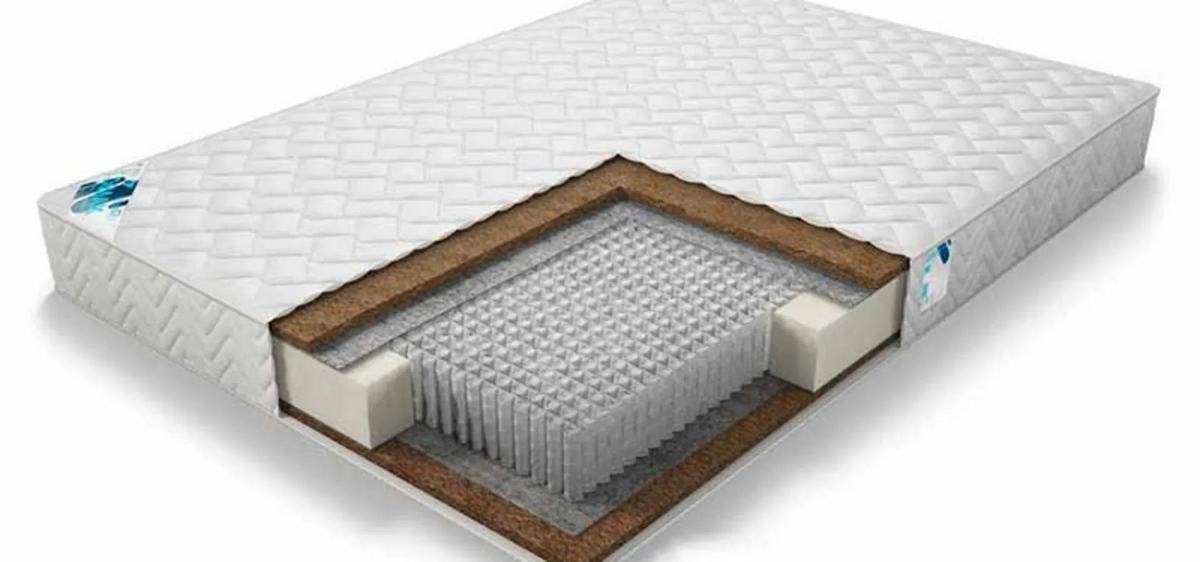
The correct firmness level is much easier to determine. It’s based on the weight of the person who will be sleeping on the mattress. A firmness level of H1 is suitable for people weighing up to 60 kilograms, and a firmness level of H2 is suitable for extra-soft mattresses. People weighing between 60 and 80 kilograms require a medium-firm H2 mattress. An H3 mattress is recommended for those weighing up to 100 kilograms. A very firm H4 mattress is the right choice for people weighing between 100 and 130 kilograms, while those over 130 kilograms require an H5 mattress. This is important because a pillow that is too firm or too soft will not adequately support your spine.
The Right Mattress for Your Sleep Habits
Choosing the right mattress goes far beyond weight and size. Just because two people are the same height and weight doesn’t mean the same mattress is right for them both. Factors that influence this include, first and foremost, your preferred sleeping position and your desired climate. For example, back and prone sleepers typically require firmer padding than side sleepers. Because weight is distributed more evenly, the mattress shouldn’t sink as much into the shoulder and pelvic areas. In this case, a pocket spring mattress would be more suitable than a foam mattress. However, if you often feel cold in bed, a cool foam or gel foam mattress would be the right choice. Both retain body heat, helping to maintain a comfortable temperature. Similarly, people who sweat a lot in bed prefer a pocket spring or comfort foam mattress—they provide good air circulation and dissipate heat rather than retain it. If you need further assistance choosing the right mattress, please contact our practical mattress consultant.
Proper Care and Hygiene
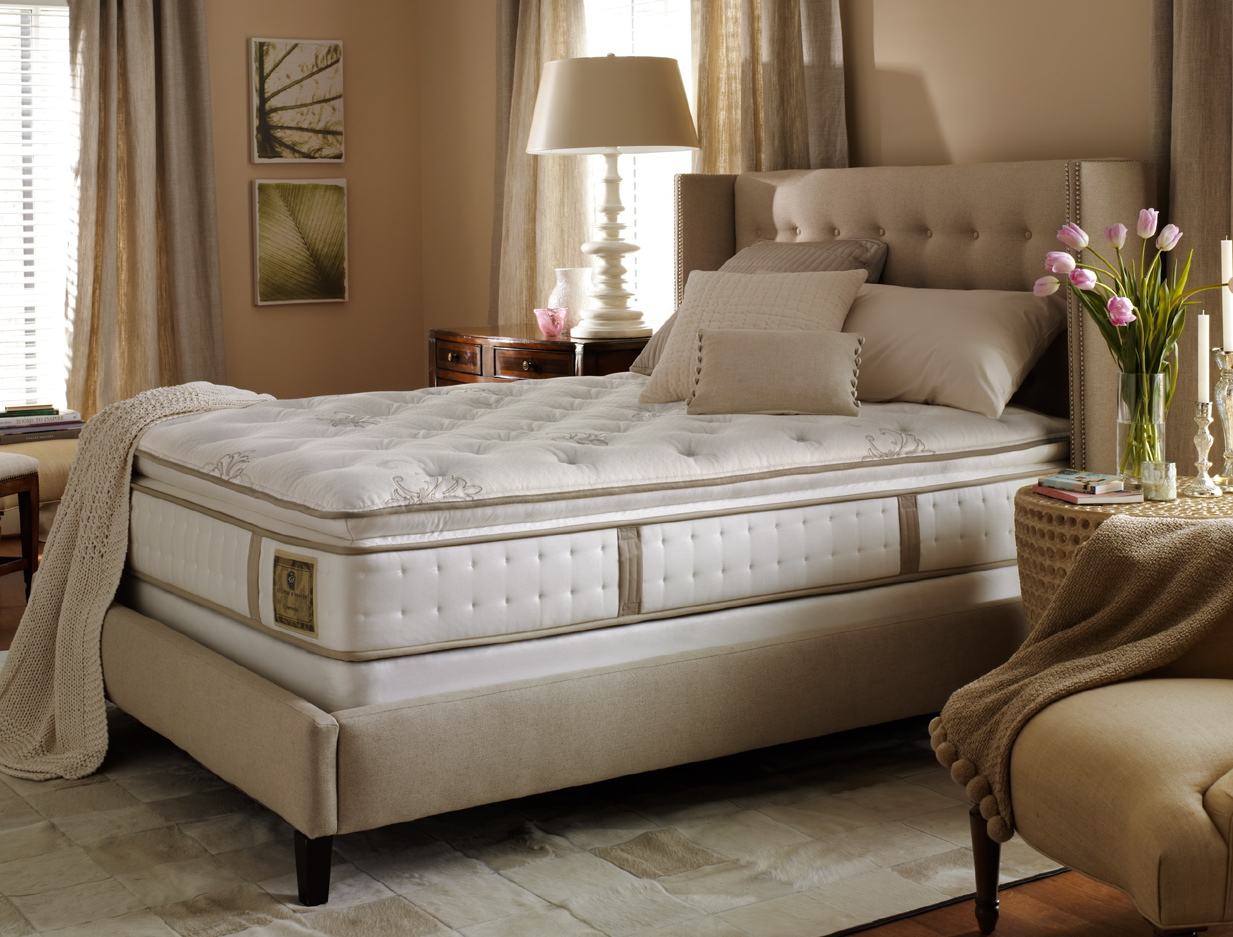
Mattresses can last up to 12 years. However, this requires mastering the basics of mattress care. With proper care, you can also virtually eliminate the possibility of mold or dust mites.
To ensure the mattress is evenly loaded and doesn’t have any indentations, it should be rotated every two months. This can be easily accomplished by zoning the mattress. After four months, you should also flip it over to avoid sleeping on only one side of the mattress.
Make sure the bed drawer is open at the bottom. Modern closed bed frames with practical drawers are becoming increasingly popular. No matter how much customers like these products, they are not suitable for your mattress. In order for your bed to release absorbed moisture to the outside, unimpeded air circulation is necessary. Otherwise, mold may develop, especially on cold foam mattresses. In addition, you should not re-cover your bed with a duvet or bedspread in the morning after sleeping. Give your mattress enough air to breathe to keep dust mites away from the warm, humid climate they love.
When purchasing, make sure that the mattress has a removable cover that can be washed at 60 degrees Celsius. It should be machine washed regularly. A little dirt, sweat stains, and even mites will keep you from getting stuck in your bed.
How to find the right mattress
In this way, the decisive characteristics of individual mattress types can be summarized into purchasing recommendations. The first step is to determine the correct size and hardness level. Here we give you an overview again.

Firmness: The higher your body weight, the higher the firmness should be. H1: up to 60 kg. H2: 60 to 80 kg. H3: 80 to 100 kg. H4: from 100 to 130 kg. H5: More than 130 kg.
Single or double bed: The greater the differences in requirements, the wiser it is to buy two single mattresses. One person weighs 100 kilograms and sweats quickly, while another weighs 55 kilograms and is likely to freeze in bed? No mattress satisfies both requirements equally, so a large shared mattress is strongly discouraged. Toppers are very suitable as connecting elements.
Side sleepers, belly sleepers or back sleepers: Side sleepers rely on high elasticity. On the other hand, stomach and back sleepers need stable pads so that the spine can maintain its natural S-shape and not sag.
Freezing or Sweating: If you get cold easily, use cold foam, gel foam or visco foam mattresses. But if you sweat a lot, you’ll want a comfortable foam mattress, an innerspring mattress with pockets or barrel pockets that allows for good air circulation and doesn’t trap heat.
Allergies: If none of the above conflicts, you should choose a foam mattress. With proper care (regular ventilation), they are a good choice, since ticks do not feel comfortable in a foamy environment. An anti-allergen cover (also called a protective cover) can also help.
Buy mattresses inexpensively
A good mattress doesn’t have to be expensive. Many research results from well-known consumer protection brands such as Stiftung Warentest even indicate that price and quality often have nothing to do with each other. In some cases, you can get high-quality mattresses for much less than €200, while expensive four-figure mattresses often perform significantly worse than mattresses from cheaper brands.
However, it should be noted that there is no one ideal mattress for everyone. Each person has very individual sleep habits and therefore needs a mat that suits them. That’s why you should thoroughly test the products you choose before you make a purchasing decision.
If you need more help with your selection, you can check the guide on the website or contact customer service directly. They’ll be happy to help you find your new mattress so you can have the perfect night’s sleep.