Sports Nutrition. Nutrition for Different Sports
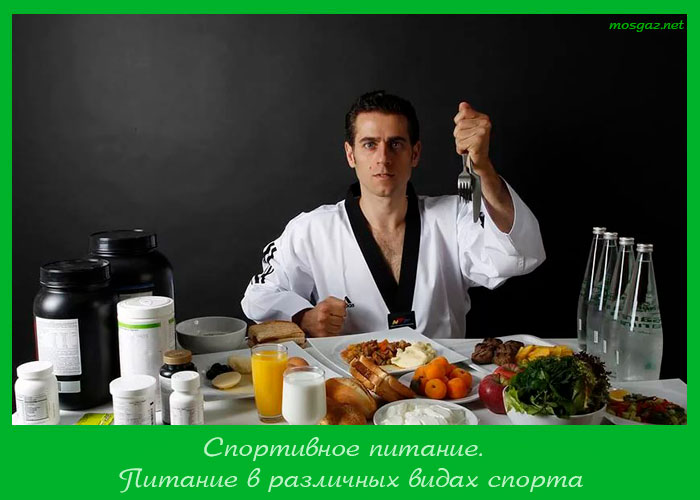
What does the phrase “healthy eating” mean? The balance of proteins, carbohydrates, and fats will depend on the sport you practice. If you engage in training or sports that emphasize strength and power, then you simply need to increase your protein intake.Fish, chicken, and lean red meat are good sources of protein, as are rabbit meat, low-fat cottage cheese, various grains such as semolina and oats, eggs, nuts, and legumes.
Types of Supplements
Some athletes use protein supplements, such as shakes or bars, to increase the amount of protein they consume, but these work best when used in addition to a healthy diet. Protein is used in a wide range of sports, but it is particularly popular in sports such as bodybuilding.
Fresh fruits and vegetables are an important part of a balanced diet, as they contain essential vitamins and minerals that are necessary for maintaining good health. Regular, rigorous, and intense training places additional strain on the body, particularly the immune system, so it’s important to ensure you’re getting plenty of nutrients. Some athletes supplement their diet with multivitamins and mineral tablets, but this is not mandatory—it is entirely up to each individual athlete.
If you want to lose weight and build muscle, reduce the amount of fat in your diet and eat small but regular meals. Switch to low-fat foods, especially dairy products, and limit your alcohol intake.
Calorie Intake
Limit your carbohydrate intake, but don’t forget to include starchy foods such as whole-grain bread, rice, and pasta. Many athletes find that low-GI diets are helpful, as they emphasize quality over quantity and release energy slowly. Eat frequently, but in small amounts.
When it comes to eating before a workout, make sure at least two hours have passed since your last meal before you start exercising. Your body needs time to digest the food, and this time depends on how much you’ve eaten. If you’ve eaten a moderate amount, a two-hour gap between eating and working out is perfectly normal. If you’ve eaten more, then, naturally, it will take longer to digest the food, so keep that in mind.
Basically, you need to consume fewer calories than you burn. If you reduce your calorie intake and increase the amount of exercise you do, you will lose weight. Ideally, you should aim to lose no more than 2 pounds per week.
A combination of cardio and strength training is the best way to reduce body fat. Cardio burns more calories than regular daily workouts, but weight training offers more benefits than cardio. Afterburn is a term used to describe a state in which your metabolism increases and continues to burn calories long after your workout has ended.

Another way to keep your fat-burning metabolism on track is to eat foods with thermogenic properties. These are foods that help speed up your metabolism and burn fat. Thermogenic foods include cayenne pepper, green tea, chili powder, garlic, ginger, and hot peppers.
These foods speed up your metabolism, which generates heat, leading to fat burning. They also suppress your appetite, which is an added bonus. Try incorporating them into your daily diet.
Every athlete has different nutritional needs, which depend on the sport they practice, their age, gender, weight, and metabolism. A competitive athlete will develop an appropriate diet alongside a training regimen in consultation with a coach or personal trainer.
Buying links is one of the most important stages of search engine optimization. How do you buy links correctly? What criteria should you use when choosing websites to place links on? You’ll find answers to all these questions by visiting the Blogun if you have created a website and want to promote it as naturally as possible, it will be very difficult to do so without buying links.


