All About Massage: Techniques, Types, and Methods
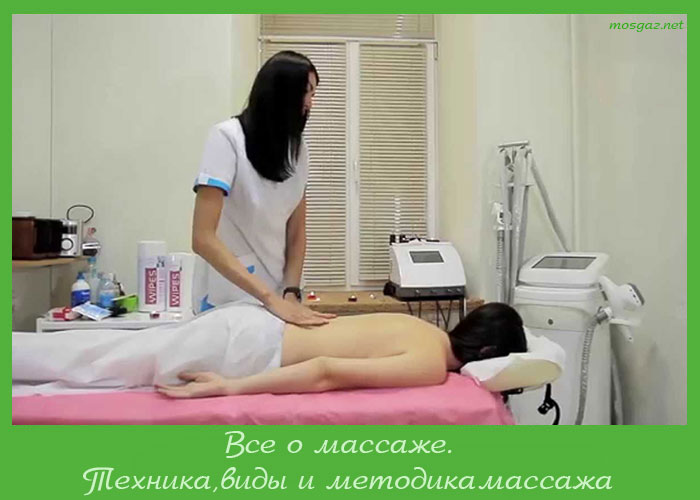
Even in ancient times, the great Romans spoke of the healing power of the hands, which they could bestow upon another person, and the wise Hippocrates asserted that massage is an inexplicable miracle.
In our modern world, it’s hard to imagine a person who isn’t exhausted by the “frantic” pace of life, who isn’t affected by stress, and—most surprisingly—who doesn’t suffer from back pain. And imagine if you could get rid of fatigue, stress, and back pain… with the help of massage.
There are many types of massage, but in this article we will focus on therapeutic massage and its varieties: therapeutic, hygienic, self-massage, and sports massage.
Types
1. Therapeutic
Therapeutic massage is performed using techniques such as stroking, rubbing, kneading, and vibration.
• Classic
Used for various conditions and after injuries. It accelerates the healing process and relieves pain.
• Segmental

Performed with the fingertips. Used for spinal conditions. Has a beneficial effect on nerve endings, stimulating the functioning of internal organs.
• Acupressure
This technique is performed using the pad of a single finger, applying pressure and using “drilling” motions in both clockwise and counterclockwise directions. It has a positive effect on the condition of the skeletal muscles.
2. Hygienic
The goal is to relieve tension and improve the patient’s well-being. As a rule, the body is steamed before the massage (bath, sauna). During the massage, cosmetic products such as scrubs are used. The use of honey is permitted.
3. Sports
Sports massage is a very serious procedure, as it is performed only on people who engage in sports at a professional level. It is performed with greater force on the body. Sometimes the athlete is excused from training, which is replaced by a massage.
Most often, the massage is performed by a male massage therapist.
4. Self-massage
It is used, like therapeutic massage, after an illness or injury, most often to the limbs. The main requirement is that the person be able to perform it on themselves.
Benefits:
• Improves blood circulation
• Restores function (if it was lost)
• Accelerates healing and recovery processes
Important considerations
• Massage may only be performed by a person with either a secondary or higher medical education
• The massage therapist must have an excellent knowledge of human anatomy and physiology
• Massages may be performed both within and outside a medical facility. If the massage is performed outside a medical facility, the room where the massage will take place must be equipped with all necessary items, namely: a massage table or couch, a screen, disposable sheets on a roll (individual), supplies for cleaning the massage table or couch, and a water source where hands can be washed.
In conclusion, we can summarize that the ancient Romans and Hippocrates were indeed correct, and confidently state that massage is a great miracle of the hands, capable not only of relieving a person of fatigue and a bad mood, but also of healing the entire body.


