Miracle transformation of the bathroom: how restoration with liquid acrylic can save your money and time

Today there are many ways to restore bathtubs on the market, but one of the most popular and simplest is to cover the surface with liquid acrylic.
Contents of the article:
- What is liquid acrylic and how is it used in bathtub restoration
- Advantages of restoring bathtubs with liquid acrylic compared to
- Stages of the bathtub restoration process with liquid acrylic
- What you need to know before deciding to restore bathtubs with liquid
- Technical requirements for the restoration of bathtubs with liquid acrylic
Liquid acrylic is a material that can create a strong and durable coating on any surface, including bathtubs. Thanks to the high level of adhesion to the surface, acrylic adheres well to any materials, providing excellent quality and durability of the coating.
Covering bathtubs with liquid acrylic is one of the most popular methods of bathtub restoration. It allows you not only to return the bathtub to its original appearance, but also to extend its service life for several years. In addition, this coating is resistant to cracks, chips, and rust, making it ideal for surfaces on which we spend a lot of time every day.
Liquid acrylic is a material of the future that allows you to solve the most complex problems in the field of surface restoration. Covering bathtubs with liquid acrylic is not only beautiful, but also convenient, economical and hygienic. It is not surprising that it has become a real hit in the bathroom restoration market.
What is liquid acrylic and how is it used in bathtub restoration
Liquid acrylic is a mixture of special components intended for the restoration of bathtubs. It creates a strong and durable coating that protects the surface of the bathtub from corrosion, scratches and other damage. Liquid acrylic has high adhesion and can be used on most materials, including glass, ceramics, metal and plastic.
To restore a bathtub, liquid acrylic is applied to the surface in several layers using a special applicator. Before application, the surface of the bathtub is thoroughly cleaned of old paint, rust and other contaminants. Once the liquid acrylic dries, it forms a uniform, smooth finish that can be buffed for a high-shine finish.
Restoration of bathtubs with liquid acrylic St. Petersburg is a more economical and faster way to improve the appearance of the bathtub than replacing it completely. In addition, the use of liquid acrylic helps extend the life of the bathtub and protects it from damage. It is also UV resistant and will not fade when exposed to sunlight.

Advantages of bathtub restoration with liquid acrylic compared to replacement
1. Saving money. Restoring a bathtub with liquid acrylic will cost much less than completely replacing the bathtub. You’ll save on the cost of a new bathtub, the labor to remove and install it, and the additional cost of remodeling bathrooms or tiles.

2. Speed of work completion. Restoring bathtubs with liquid acrylic is much faster than completely replacing the bathtub. There is no need to dismantle the old bathtub, reconnect communications to it and carry out other complex measures.
3. Preservation of the existing design. Restoring bathtubs with liquid acrylic allows you to maintain the same design and color of the bathtub as it was originally. If you are happy with your old bathtub, but want to correct some defects, bathtub restoration with liquid acrylic is a great solution.
4. Resistance to deformation. Liquid acrylic, which is used to cover bathtubs during restoration, has high strength and resistance to deformation. It can easily cope with temperature changes, shock and heavy loads, giving your bathtub durability and strength.
Stages of the bathtub restoration process with liquid acrylic
Preparatory stage
Before starting work, it is necessary to clean the surface of the bathtub from old paint and dirt. This will create a strong adhesion of the new coating to the surface. To do this, use abrasive materials such as a grinding wheel or special solvents.
Applying an acrylic layer
After cleaning the surface, a special composition of liquid acrylic based on polyester resin is applied. This layer allows you to give the bath a smooth and durable surface, as well as protect it from chips and scratches. The composition can be applied with a brush or a special sprayer.
Drying and surface treatment
After applying the acrylic layer, the surface is left to dry for several hours. Then finishing is carried out using abrasives to give the surface even greater smoothness and shine. Finally, the bath is wiped with a soft material and polished.
Result
After restoration, the bathtub looks like new and gains additional service life. Restoring a bathtub with liquid acrylic is a cheaper and faster way to restore it than replacing an old bathtub with a new one.
What you need to know before deciding to restore bathtubs with liquid acrylic
Restoring bathtubs with liquid acrylic is the process of applying a special composition to the surface of the bathtub, which then hardens, forming a strong and durable film. However, before deciding to restore a bathtub with liquid acrylic, it is important to consider several factors.
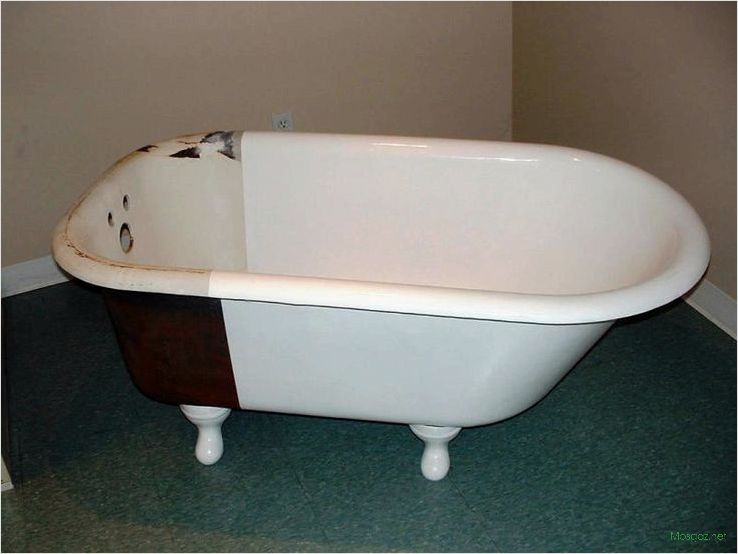
Condition of the bath. Before you begin restoring your bathtub, you need to determine its condition. If the surface has chips, cracks, obvious deformations or other mechanical damage, then restoration is not the most optimal solution. In this case, the best option would be to replace the bathtub.
Restoration process. To restore a bathtub with liquid acrylic, you need to contact professionals with experience in this field. During the restoration process, it is necessary to properly prepare the surface of the bathtub, apply liquid acrylic and allow it to dry completely. Failure to follow the correct technology can result in uneven coverage and the formation of bubbles on the surface.
Price and terms. The cost of restoring bathtubs with liquid acrylic depends on many factors, including the condition of the bathtub, its size and the complexity of the work. It should also be taken into account that the restoration process can take from one to several days, depending on the amount of work and the technology used.
Durability. Restoring a bathtub with liquid acrylic can significantly extend its service life. However, you need to know that the durability of such a coating depends on the operating conditions of the bath and proper care of it. Regular cleaning of the bathtub from plaque and chemicals will preserve its original appearance for many years.

Technical requirements for the restoration of bathtubs with liquid acrylic
Restoring bathtubs with liquid acrylic includes a number of technical requirements necessary to ensure a high-quality result. First of all, the surface of the bathtub must be prepared for the application of liquid acrylic.
To do this, it is necessary to remove all remnants of paint and old enamel, as well as clean the surface of grease and plaque. After this, the surface should be sanded to increase the adhesion of liquid acrylic to the surface of the bathtub.
Next, before applying liquid acrylic, you need to dry the surface thoroughly. Moisture can cause poor adhesion of liquid acrylic and the bathtub surface. You also need to make sure that the surface is free of dust and other small particles that could negatively affect the quality of application of liquid acrylic.
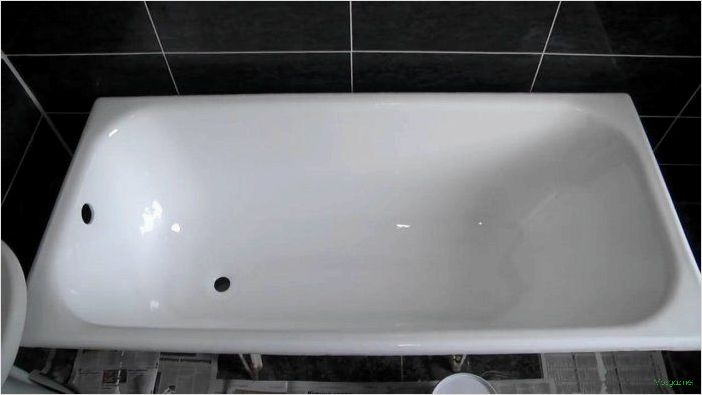
Then you can begin applying liquid acrylic to the surface of the bathtub. It is important to remember that the thickness of the liquid acrylic layer must be at least 1 mm. Only if all technical requirements are met can the durability of the restoration and a smooth, even surface of the bath be guaranteed.