Walkers for People with Disabilities and the Elderly
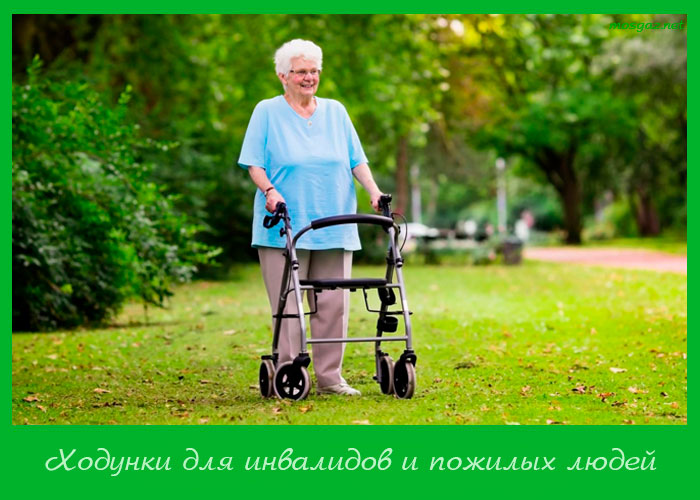
Physical activity is vital for older adults. It is the only way to maintain optimal health for the heart, the entire respiratory system, and the bones, and to avoid becoming confined to one’s home.
Since muscles weaken with age and the ability to maintain balance is no longer what it used to be, it is necessary to ensure adequate support while walking. Various devices are available for this purpose, but the most optimal are walkers for people with disabilities and the elderly to perform their function properly, they must meet certain criteria. The first walkers were patented as early as 1953 and were called “walking aids.” In 1960, it was proposed to equip the legs with wheels. The modern design has been on the market since 1970.
What is a walker?
A walker is a structure consisting of four metal tubes—the “legs.” The tubes are spaced farther apart on either side than the width of a person (so that the person can walk between them). They are held together by crossbars on each side. There are also connecting tubes at the front of the structure. The rear legs are not connected to each other so that a person can step inside the frame. There are handles on top that must be held onto.
Rubber caps can be attached to the legs: with this type of walker, the user will need to lift it and reposition it while walking. Models are available that are equipped with two or four wheels: using them does not require arm strength. The “rollator” type of walker deserves special mention. This design is somewhat similar to a children’s bicycle: a frame mounted on 3 or 4 large wheels, a built-in seat where you can sit down and rest, and a shopping basket can be added. A lot depends on the type of walking aid design: this is the basis for choosing a walker for the elderly. When selecting a walker for an elderly person, you must also consider their body weight.
A properly selected walker allows older adults to lead a more active lifestyle, which helps prevent them from becoming depressed. This is particularly important, as a depressed emotional state shortens the life of anyone, especially older adults.


