Choosing a Gel for Nail Extensions: Features and Benefits
Many women want to look beautiful. Most of them get nail extensions, often at home. Undoubtedly, they face a major challenge: choosing the right gel for extensions. So what are the features of different types of gels? With the help of the 4nails store, you’ll find everything you need for a manicure, and caring for the beauty and health of your nails will be a breeze!
Basic information about the properties of nail extension gels
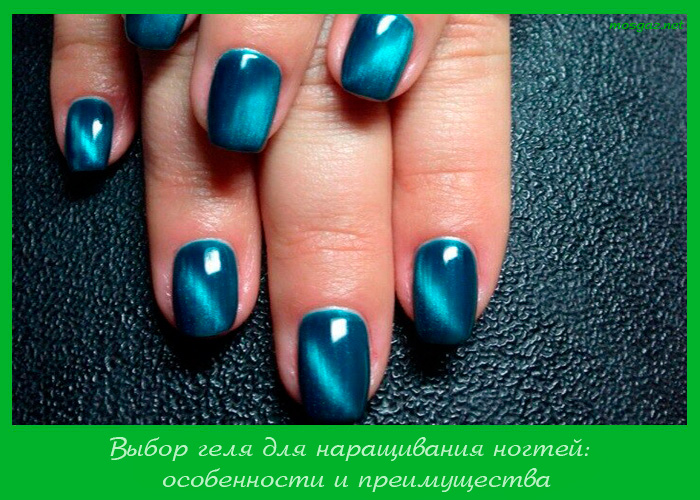
Applying gel to the nails occurs in three stages. In the first stage, the surface of the nails is smoothed. The second stage involves shaping the nails by applying the gel. The final stage includes the top coat, which gives the nails a mirror-like shine and strength. Cat-eye gel polish, on the other hand, has a particularly dense and flexible texture, a beautiful and diverse color palette, and vibrant pigments.
For beginners, gels known as single-phase gels are suitable. They are the most economical and easy to use. There are also two- and three-phase coatings available. However, these gels are more expensive, and the extension process takes longer.
Light-curing gels are very popular because they cure quickly under an ultraviolet lamp. There are also gels that cure using a catalyst. The catalyst is a special solution that reacts with the gel, causing it to harden. However, these gels have a drawback: their viscosity, which makes the extension process more difficult.
When choosing a gel, it’s important to consider color options. They’re perfect for nail art and creating trendy colored manicures. You can apply polish to the regrown part of the nail to refresh the overall look.
Features of gels for nail extensions
When choosing a base gel, consider the following recommendations. Base gel is typically used in a three-step nail modeling system. This gel is applied in the first stage to ensure adhesion to the nail plate. The gel has a liquid consistency and is odorless.
- Building gels are also generally used in the three-step procedure, but during the second stage of artificial nail modeling.
- Camouflage gel is often used when applying artificial nails; its subtle shades give the nails a more natural appearance. This gel is particularly useful when creating a French manicure. It serves as a base for the nail and can be applied before the final stage of the application process.
- Stained-glass gels are widely used by enthusiasts of creative nail art and vibrant manicures. Using this material, artists create three-dimensional designs and various types of abstract patterns. A stained-glass gel is a semi-transparent builder gel. It has the ability to self-level and shape the nails without altering their natural form. Using stained-glass gel results in nails with a glass-like finish. With stained-glass gel, you can use foil, rhinestones, and other embellishments.
- Transparent gel is applied to the nails when planning to apply polish over gel extensions. Transparent gel is also frequently used when creating aqua designs. After curing, it remains transparent and shiny. Most nail technicians use this particular gel.
- Gel-chewing gum is the latest innovation in nail extensions. This gel resembles pink modeling clay, and the application process is similar to that of acrylic. This material cures in a lamp in 10 seconds, and without a lamp, it takes about 3 minutes to dry.
- Nails extended using this technique are lightweight and durable, and they do not peel off. When extending nails with this gel, you can avoid a huge amount of white dust and shavings. However, its cost significantly exceeds that of other types of gels.
But no matter which gel you choose for nail extensions, eye-catching, shiny nails always attract attention.


