How Do Rolls Differ from Sushi?
Japanese cuisine is popular all over the world, and nowadays you can find a sushi bar in almost any city.However, not everyone knows how sushi differs from rolls, even though they look similar. Let’s try to figure this out together.
What is sushi?
This traditional dish is an integral part of Japanese cuisine. Technically, the correct term is “sushi,” but “sushi” has become the standard term here. It is made from ingredients that are most common in the region—namely, rice and fish. In the land of the samurai, rice is considered a key agricultural crop. You can order delicious food for home delivery, including rolls, sushi in Odessa, and Chinese noodles in boxes, from “Mister Cat.”
To understand what sushi is, we must look to history. In the old days, the word “sushi” referred to preparations made from fish. At the same time, rice served as a preservative that was not eaten later on. Years passed, and fish began to be prepared without the use of rice.
Throughout its history, sushi has undergone various changes. The form in which we typically see sushi today did not emerge until the early 20th century. Sushi was first prepared by a chef from Japan, who used raw fish for this dish.
What Are Sushi Rolls?
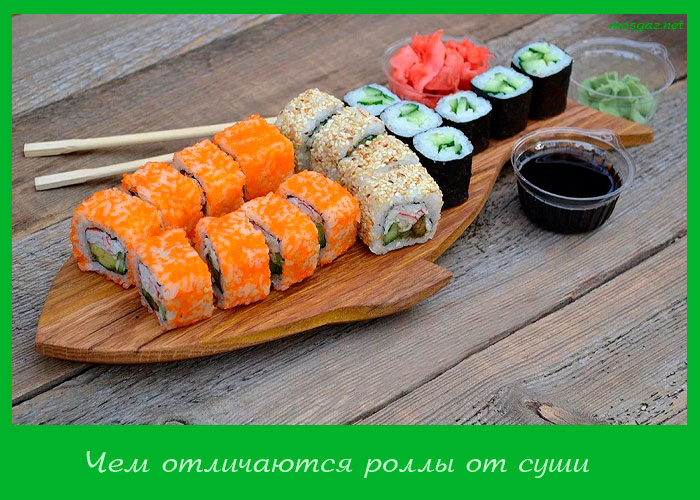
Rolls are also a traditional dish of Japanese cuisine. However, they can be considered a refined version of sushi that has been perfected. The name of this dish derives from the English word “roll.” The Japanese do not use this word; instead, they refer to this dish by another name—makizushi or maki. To better understand what rolls are, it is worth examining how they differ from sushi.
Differences Between Sushi and Rolls
It’s important to understand what these two dishes are. Sushi is a dish consisting of a long strip of cooked rice topped with a piece of fish or other seafood. Sometimes this delicacy is tied with a thin strip made from a sheet of nori (dried seaweed). Rolls, on the other hand, are layered on a sheet of seaweed, then rolled up tightly and sliced. The nori sheet can be either on the outside of the roll or inside it.


