5 Effective Ways to Reduce Excessive Sweating: Tips from Doctors

Sweating is a natural process that helps our bodies regulate temperature. However, for some people, it can be excessive, go beyond normal limits, and cause discomfort.
Article Contents:
Excessive sweating (hyperhidrosis) manifests as frequent and uncontrollable sweating in any situation—during minimal physical activity, in a warm room, or outdoors in cool weather.
Causes of excessive sweating
There can be several causes of hyperhidrosis. Some people suffer from a hereditary form of this condition, while for others it may be a consequence of other diseases or physical conditions, such as obesity, stress, or hormonal imbalances.
Hyperhidrosis can also be a side effect of certain medications, such as antidepressants or beta-blockers.
Ways to combat excessive sweating
If excessive sweating isn’t caused by an underlying medical condition, you can reduce it by following a few simple guidelines:

- Wear cool, loose-fitting clothing. Synthetic fabrics can exacerbate excessive sweating.
- Avoid spicy foods and alcohol. They increase sweating.
- Practice good personal hygiene. Shower regularly and use antiperspirants.
- Reduce stress. Stress can often be a cause of excessive sweating, so it’s important to learn how to relax and reduce your stress levels.
If hyperhidrosis is caused by a medical condition, you should see a doctor and undergo appropriate treatment.
What is excessive sweating?
Excessive sweating , also known as hyperhidrosis, is a condition in which a person’s sweat glands work too intensely, leading to excessive sweating. Usually, this occurs on the palms, feet, underarms, or face, but it can also affect any other part of the body. In most cases, hyperhidrosis does not indicate the presence of any disease, although it is sometimes a symptom of certain conditions.
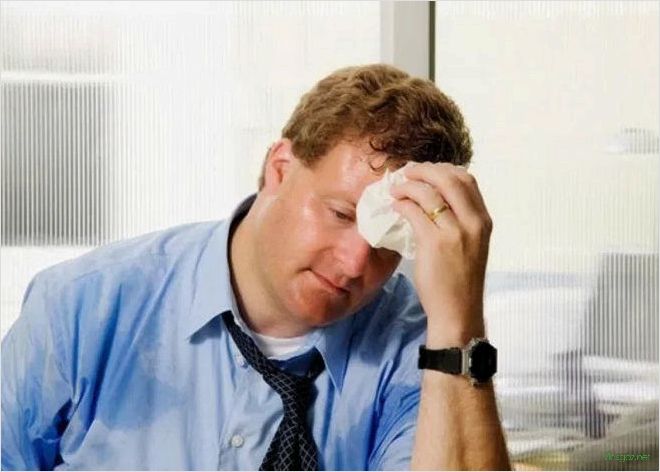
Hyperhidrosis is a widespread condition: according to studies, more than one billion people worldwide suffer from this condition. Although hyperhidrosis is not life-threatening, it can seriously affect a person’s quality of life and lead to social, professional, and psychological problems. Some people complain that hyperhidrosis interferes with their interactions with others and lowers their self-confidence.

Depending on the cause of hyperhidrosis, symptoms may vary. However, the most common symptom is excessive sweating in the underarms, hands, feet, and face. This is often accompanied by an unpleasant odor and damp skin.
Causes of excessive sweating
Excessive sweating, or hyperhidrosis, can be caused by various factors, both internal and external. These may include nervous system disorders, hormonal imbalances, health issues, stressful situations, and other factors.
One of the most common causes of hyperhidrosis is emotional stress. When a person experiences negative emotions, such as fear or nervousness, the nervous system begins to produce more sweat to help the body cool down and cope with the tension.
Other causes of excessive sweating may include inflammatory conditions such as arthritis or Crohn’s disease, dehydration due to digestive disorders or intense physical activity, infections, switching to a new diet, and even certain medications.
In any case, the best way to address excessive sweating is to consult a doctor to identify the possible causes of this condition and select an appropriate treatment method.
What conditions can cause excessive sweating
Sweating is the process of sweat secretion, which is an important mechanism for regulating body temperature. However, in some cases, sweating may be more intense than usual, which could be a sign of an underlying condition.
One of the conditions that can cause excessive sweating is hyperthyroidism. This is a condition in which the thyroid gland produces more thyroid hormones than usual. This can lead to a rapid heartbeat, increased appetite and weight gain, as well as excessive sweating.
Another condition that can cause excessive sweating is diabetes. In diabetes, blood sugar levels may be elevated, which can lead to thirst and excessive sweating. Additionally, certain immune system disorders, such as sarcoidosis or lymphoma, can cause excessive sweating.
If you notice excessive sweating, it is important to see a doctor to identify the cause of this condition and receive the necessary treatment.
Treatments for excessive sweating
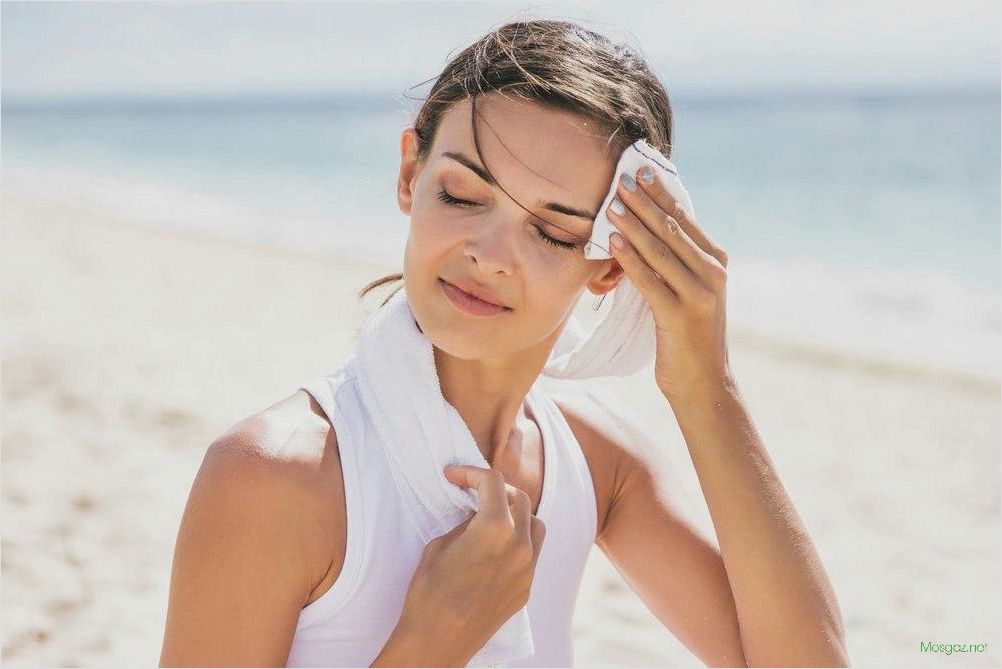
Excessive sweating can be a serious problem for those who suffer from it. However, there are several ways that can help treat this issue.
- Use of antiperspirants: There are many antiperspirants on the market that contain aluminum and other ingredients that can help reduce the amount of sweat.
- Medications: Many medications can help with excessive sweating, including anticholinergic drugs and beta-blockers.
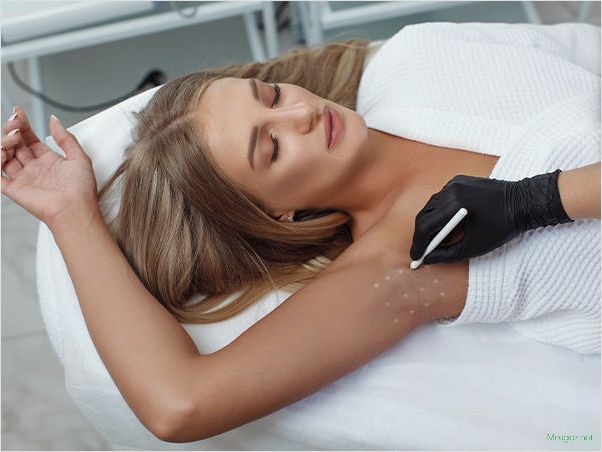
- Therapies: Certain therapies can reduce sweating, such as iontophoresis, botulinum toxin therapy, and radiofrequency therapy.
- Surgical methods: In some cases, surgery may be necessary, such as sympathetic nerve resection and axillary liposuction.
Each person may have their own individual approach to treating excessive sweating; we recommend consulting a specialist to find the best treatment option.
| Advantages | Disadvantages |
|---|---|
| Antiperspirants are readily available and inexpensive | May contain harmful chemicals |
| Medications are effective at reducing sweat production | May have side effects |
| Therapies can help with severe sweating | Can be expensive and require a series of sessions |
| Surgical methods can be effective and long-lasting | May be risky and require a long recovery period |
Prevention of excessive sweating
If you suffer from excessive sweating, don’t despair. There are many ways to help you manage this problem. First and foremost, you should consult a doctor to determine the cause of this condition and receive treatment recommendations.
However, in addition to medical measures, you can also use other methods to reduce sweating. For example, it is very helpful to monitor your diet. Avoid spicy and fatty foods, as well as alcohol and smoking.
It is also important to pay attention to your lifestyle. Regular physical activity, including moderate cardio exercise, can help boost your metabolism, which in turn can reduce sweating. In addition, it is important to maintain good personal and clothing hygiene. Taking regular showers and using special antiperspirants can also help reduce sweating.
- Monitor your diet
- Regular physical activity
- Maintain good personal and clothing hygiene
- Take baths with medicinal herbs (chamomile, plantain, nettle, lemon balm)
Another way to combat excessive sweating is to use traditional remedies. For example, you can prepare herbal tea from lemon balm, black cohosh, nettle, and other plants. You can also use homemade masks and wraps, which help reduce sweating by improving blood circulation and metabolism in the body.
In addition to the methods listed above, there are many other ways to combat excessive sweating. It is important to remember that every body is unique, so the best method for addressing this issue may vary from person to person.


