Preparing a Pregnant Woman for Childbirth
The birth of a child is a very important and significant moment in any woman’s life. The emotional strain is immense. This includes both the positive aspects associated with the joyful anticipation of motherhood and the fear and anxiety surrounding childbirth. The goal of psychoprophylactic preparation for childbirth is precisely to eliminate negative emotions and foster positive ones in expectant mothers.
An atmosphere of trust
The doctor gynecologist-obstetrician begins preparing the expectant mother for the upcoming events from the very first meeting. To do this, it is necessary to establish a friendly rapport and mutual understanding. Trust in the doctor promotes the emotional well-being of the expectant mother, making her behavior conscious and balanced. It is important to familiarize the patient with the results of her examinations, instilling confidence in a favorable outcome of the upcoming delivery.
At a certain stage, typically between 32 and 35 weeks, expectant mothers begin participating in additional specialized training sessions. Usually, the first session takes place one-on-one with an obstetrician to discuss the expectant mother’s attitude toward childbirth and explain the importance of these sessions to her. The doctor is responsible for preparing the expectant mother for the new sensations she will experience for the first time. It would also be beneficial for the doctor to meet with and have a conversation with the patient’s husband, as a supportive atmosphere is essential within the family—perhaps even more so than anywhere else.
Special Classes
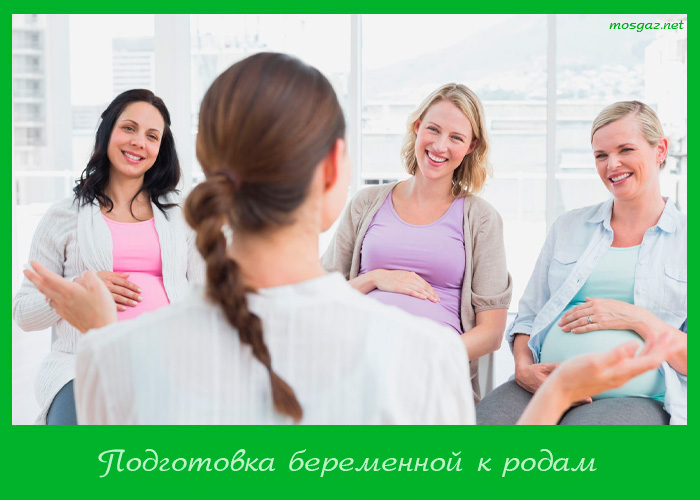
To prepare the pregnant woman for childbirth as thoroughly as possible, at least 5–6 sessions are needed, preferably in groups, where it is easier to cope with feelings of fear. The obstetrician-instructor’s task is to help the pregnant woman develop a calm attitude toward the upcoming birth and to teach her appropriate behavior.
As is well known, childbirth is divided into three distinct stages. The classes are designed to explain the essence of each stage. The purpose of the first stage is to explain the subjective sensations experienced by the woman in labor, teach her proper breathing techniques, and show her pain relief methods during contractions. The second stage begins when the woman in labor starts having pushing contractions and her perineum begins to bulge. It is important to teach the pregnant woman the correct positioning of her body (arms, legs). She must know when to push and when not to. Finally, the class covering the third and final stage introduces the pregnant woman to the procedures performed during childbirth.
Exercises for Pregnant Women
In addition to these classes, pregnant women are recommended to follow specific exercise routines (tailored to their stage of pregnancy) to improve physical fitness and overall vitality, strengthen abdominal muscles, promote milk production, and so on.
All these measures are very important, especially if a woman is preparing to become a mother for the first time. Adhering to a sensible regimen throughout the entire pregnancy is considered the key factor, the foundation for a normal pregnancy and the prevention of potential complications. Every expectant mother must remember her personal responsibility. This is very important!


