Hair Transplantation: Modern Methods and an Overview
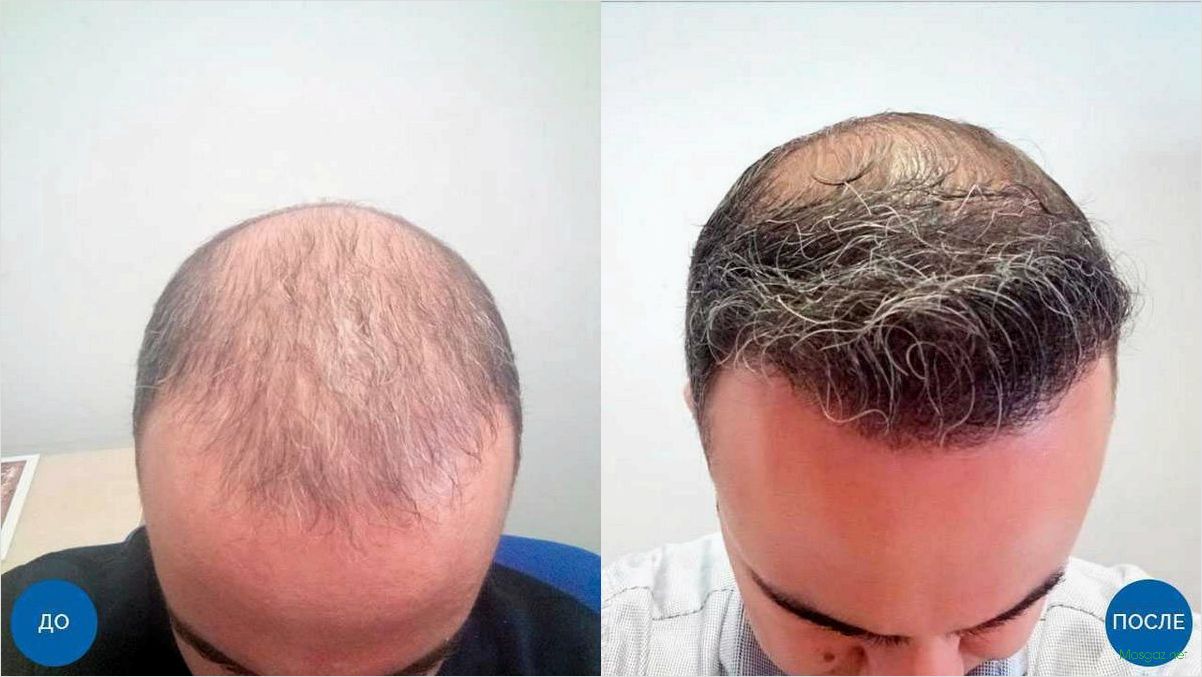
Beautiful, healthy hair is not only a source of pride but also an indicator of overall health. Unfortunately, hair can become thin, weak, and start falling out for many reasons, including stress, poor nutrition, hormonal imbalances, and more. In the past, the only options for hair restoration were questionable medications and hair masks. However, today there are modern hair transplant methods that can restore your hair’s former beauty and thickness.
Article Contents:
- The History of Hair Transplantation
- The FUE Method: Achievements and Advantages
- The FUT Method: Features and Limitations
- The DHI Technique: How It Differs from FUE and FUT
- PRP Therapy: What It Is and Who It Is Suitable For
- Alopecia in Men: Specific Cases and Their Solutions
- Alopecia in Women: Possibilities and Limitations
- Choosing a Clinic and Specialist for Hair Transplantation
Today, the dental services market offers many hair transplant techniques, each with its own advantages and disadvantages, and the choice should be based on the client’s individual characteristics and requirements. Hair transplants can be performed using the patient’s own hair, hair from cosmetic donors, or special implants made of natural materials.
The price of hair transplantation in Moscow can vary depending on the location of the procedure. In this article, we will review the main hair transplantation methods and their characteristics to help you choose the right method for restoring the beauty of your hairstyle.
The History of Hair Transplantation
Early Attempts
The first attempts at hair transplantation were carried out in Japan in 1939 using small pieces of skin containing fine hairs.
Later, in the 1950s, American surgeon Norman Orentreicher used the “punch grafting” technique, in which a thin strip of skin containing hair was transplanted to the balding area. However, the results were unsatisfactory.
Technological Breakthroughs
The development of the FUT (Follicular Unit Transplantation) technique in the 1990s marked a major breakthrough in hair transplantation. This technique was designed to extract groups of hair follicles, which were then transplanted into balding areas. Further refinements of the technique led to the FUE (follicular unit extraction) method, which became even more effective and less invasive.
The Present Day
Today, hair transplantation is a popular procedure performed worldwide. There are many clinics that offer this service and use various methods, such as FUT, FUE, DHI, and many others.
Technologies continue to advance, making hair transplantation more effective and less traumatic. Thanks to these improvements, most patients are very satisfied with the results and regain their natural appearance and self-confidence.

The FUE Method: Achievements and Advantages
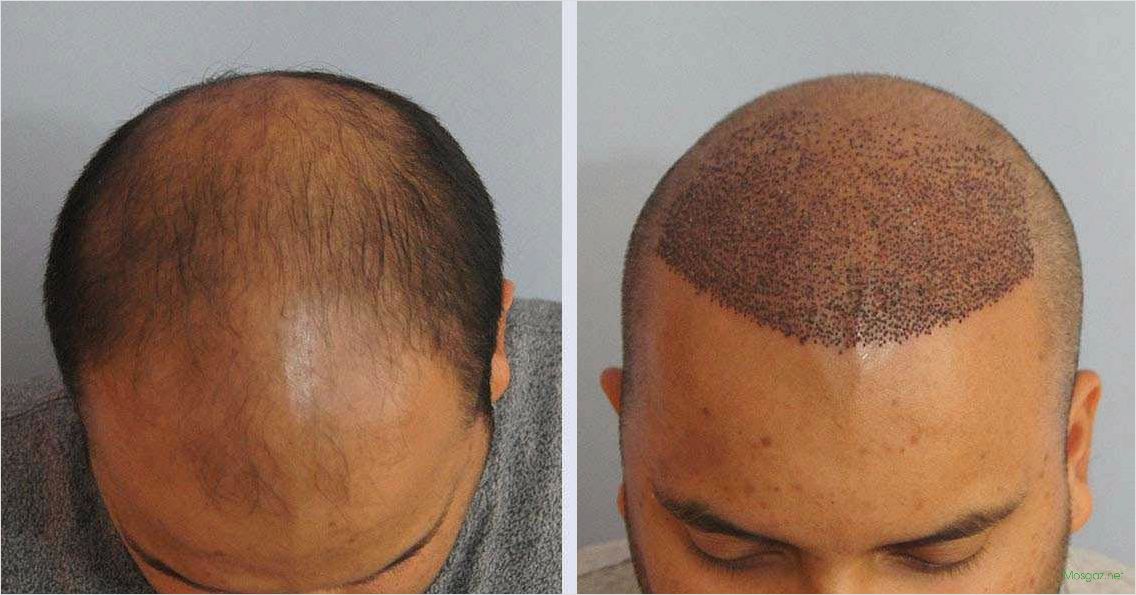
The FUE (Follicular Unit Extraction) method is one of the longest-standing and most rapidly evolving hair transplant techniques, which has literally revolutionized the hair transplant process in recent years.
This hair transplant method involves extracting individual hair follicles from donor areas of the body, such as the back of the head, the chest, or the legs, and then transplanting them to the desired location.
The FUE method is primarily used in cases of partial baldness, when extensive hair transplantation is not required, and has shown incredibly high results thanks to the process of extracting individual follicles.
- Natural results: The FUE method produces a natural and seamless transplant, as the transplanted hair precisely matches the rest of the hair on the head in color, density, and texture.
- Painless extraction process: FUE-based hair transplant technologies are particularly popular among patients because they are minimally invasive and avoid the need for major surgery.
- Short recovery time: Most patients who undergo an FUE hair transplant can return to work within a few days of the procedure.
The FUE method is one of the most modern techniques used for hair restoration, and it has demonstrated remarkable results in cases where patients require a localized hair transplant without pain or stress on the body.
The FUT Method: Features and Limitations
What Is the FUT Method?
The FUT (Follicular Unit Transplantation) method is a surgical hair transplant technique in which a strip of skin is first removed from the donor area (the part of the scalp where hair grows thickly and does not fall out), then units of 1–4 follicles (natural clusters of hair follicles and surrounding tissue) are isolated from this strip, and these units are subsequently transplanted to areas of thinning or balding hair.
Features of the FUT Method
The FUT method is the most popular and yields the best results when there is a sufficient amount of donor hair and the areas to be transplanted are large. This is because the strip of skin from which the follicles are extracted can only be harvested once or twice, but a significant amount of tissue is required to expand the recipient area and create the most natural-looking new hair.
Limitations of the FUT Method
During the healing period, the strip of skin will require additional care and procedures, such as wound care and head bandaging, which necessitate adherence to a specific regimen. Like any surgical procedure, the FUT method carries potential risks, such as infection and poor wound healing. If the donor area has a low hair density, the FUT method will be ineffective. Furthermore, performing this procedure requires a highly skilled surgeon, as it demands the most precise extraction of follicles and minimization of damage to surrounding tissues.
The DHI Technique: How It Differs from FUE and FUT
DHI

The DHI (Direct Hair Implantation) technique is a hair transplant method based on an individualized approach to each patient. A key feature of this technique is the high precision in selecting donor hair, as well as the ability to transplant dense areas without compromising the aesthetic appearance of the hairstyle.
The DHI hair transplant procedure is performed without prior hair harvesting. The specialist uses a special Choi Pen needle, which helps avoid additional trauma to the scalp. The procedure takes less time than traditional hair transplant methods.
- Transplant precision
- Hair Transplant Without Shaving
- Speed of Procedure
FUE and FUT
The FUE (Follicular Unit Extraction) hair transplant technique involves harvesting individual hair follicles from the donor area and transplanting them to the desired area. A key feature of the FUE method is that the surgeon can choose where to transplant the hair, which affects the aesthetic outcome of the hairline. However, the transplant process is time-consuming due to the need to harvest hair using small, dense clips.
The FUT (Follicular Unit Transplantation) hair transplant technique is more invasive and involves a surgical procedure in which the specialist removes strips of skin from the donor area. The skin is divided into micrografts via longitudinal incisions, which are then transplanted to the desired area.
- Donor Hair Selection in FUE
- Invasiveness in FUT
- Small Transplant Volume in FUE
PRP Therapy: What It Is and Who It Is Suitable For
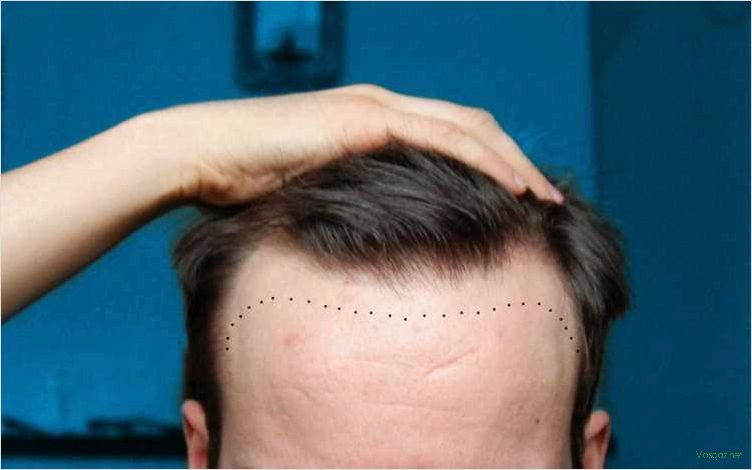
PRP therapy is a method of hair treatment and restoration based on the use of the patient’s own blood. The essence of the method is that a certain amount of blood is extracted, after which it undergoes special processing, resulting in plasma with a high concentration of platelets.
Platelets contain growth factors that can stimulate tissue regeneration and promote hair growth. The platelet-rich plasma is injected into the affected area using microinjections.
PRP therapy is suitable for people with various types and degrees of hair loss, as well as for those who wish to improve the quality of their hair. However, there are a number of contraindications, including cancer, hematological and immune disorders, pregnancy and lactation, allergic reactions to platelets, etc. Before undergoing the procedure, it is necessary to consult a doctor and undergo an examination.
- Advantages of PRP therapy:
- A natural and safe treatment method;
- No risk of rejection, as the patient’s own biomaterials are used;
- Long-lasting results;
- No recovery period; patients can return to their normal lives immediately after the procedure.
Alopecia in Men: Specific Cases and Their Solutions
Hair loss is an unpleasant problem that can affect anyone, without exception. Some men experience it at a very young age, while others only after the age of 40. But regardless of age, hair loss can lead to significant stress and a decline in self-esteem.
There are several types of alopecia in men: gradual thinning of the hair, patches of baldness on the scalp, or complete hair loss. Each case requires an individualized approach and consultation with a specialist.
- Gradual hair thinning can be addressed through hair transplantation.
- Patches on the scalp and baldness can be caused by various factors, such as hormonal imbalance or vitamin deficiency. It is necessary to consult a trichologist to determine the cause and treatment.
- Complete hair loss may be due to genetics or occupational factors (such as working with chemicals). In such cases, hair replacement is the best option.
However, don’t be afraid to talk to others about your problems—many men experience alopecia and often find effective solutions.
Alopecia in Women: Possibilities and Limitations

What Is Alopecia in Women?
Alopecia is the loss of hair on the head or body. Women can experience various types of this condition, which may lead to complete or partial hair loss.
One of the most common types of alopecia in women is androgenetic alopecia, which is associated with hormonal changes. In this case, a woman may experience thinning hair or significant hair loss in the central part of the scalp.
What Methods Can Be Used to Treat Alopecia in Women?

There are several ways to treat alopecia in women; first and foremost, it is recommended to consult a dermatologist. Depending on the type of alopecia, the doctor may prescribe minoxidil—this medication helps stimulate hair growth. Special shampoos and vitamin supplements may also be recommended to help restore hair health.
If traditional treatments have not yielded results, hair transplantation may be considered. This procedure involves several stages and may require multiple sessions to achieve a successful outcome.
What Limitations Might There Be in Hair Transplantation for Women?
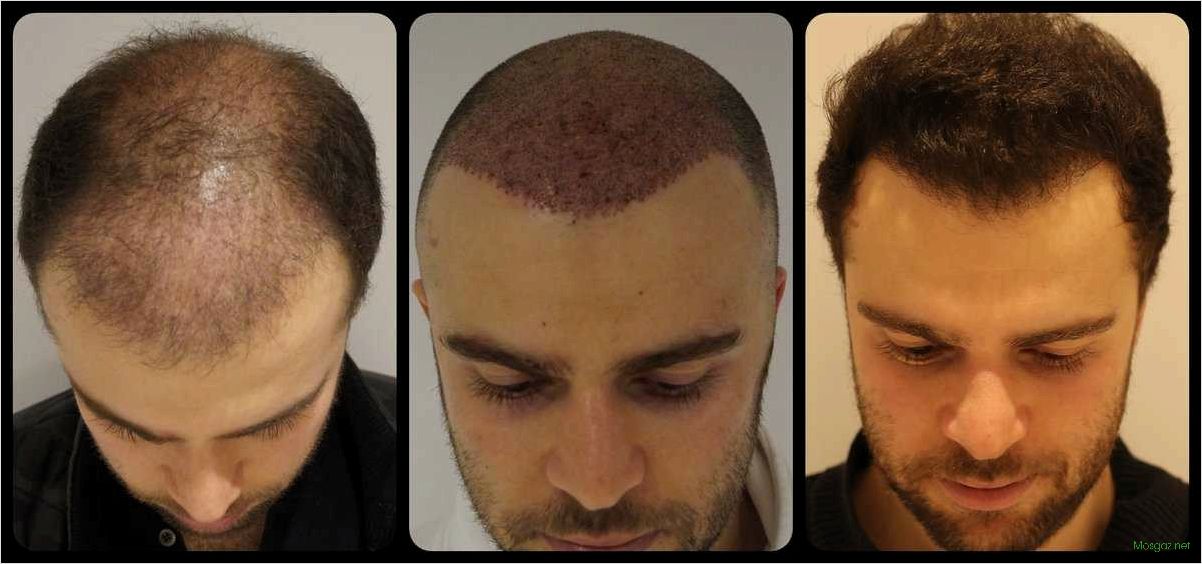
Women with thin hair or very coarse, curly hair may face limitations regarding hair transplantation. This is because the hair obtained from donor areas may not fully meet the required quality standards.
Hair transplantation is also not recommended for women with scalp conditions such as psoriasis or neurodermatitis. In these cases, hair transplantation can negatively affect scalp health and potentially lead to further hair loss.
Choosing a Clinic and Specialist for Hair Transplantation

Hair transplantation is a serious and costly procedure that requires patients to exercise particular care when choosing a clinic and a specialist. The medical market is filled with clinics offering hair transplantation services. However, not all of them can guarantee good results and the safety of the procedure.
When choosing a clinic and specialist for a hair transplant, it is necessary to consider many factors, including the doctors’ qualifications, work experience, licenses and certifications, as well as the clinic’s reputation in the market.
The first step in choosing a clinic is to research the key parameters of the medical facility, including:
- Certification and licensing
- Qualifications and experience of specialists
- Patient reviews and recommendations
Once you have chosen a clinic, you should verify the qualifications and experience of the specific doctor who will perform the hair transplant procedure. Be sure to clarify:
- The doctor’s experience
- Qualification certificates and licenses
- Hair transplant results for their patients
- It is also important to find out the type of hair transplant method used and any additional services offered by the clinic. For example, many clinics provide their patients with consultations on hair care after the procedure.
Choosing the right clinic and specialist for a hair transplant is crucial to the procedure, and the outcome and success of the entire process depend on this choice.


